
Floor Model vs Shipping Damage: How To Spot The Difference And Save Big In 2026
Across the U.S., an estimated 85 million damaged packages showed up on doorsteps in a single year, so knowing the difference between a harmless scratch and real damage is a big deal when you are buying appliances in 2026.
Key Takeaways
| Question | Short Answer |
|---|---|
| What is the main difference between a floor model and shipping damage? | Floor models pick up wear while sitting in a showroom, while shipping damage happens during transport after the item leaves the warehouse. |
| Are floor models usually safe to buy in 2026? | Yes, if you inspect them carefully and understand the warranty terms. Stores listed on our national scratch and dent directory often specialize in this. |
| Can I return an appliance with shipping damage? | Most retailers let you refuse or return items that arrive damaged, but policies vary, so always ask before you buy. |
| Where can I find floor model and scratch and dent deals near me? | Use our state pages, like Florida scratch and dent stores or California scratch and dent stores, to find local outlets. |
| Which has more risk, floor models or shipped new-in-box items? | New-in-box has higher risk of hidden shipping damage, while floor models usually have visible cosmetic flaws you can check on the spot. |
| How much can I save on floor models? | In 2026, floor-model discounts commonly run from 10–60% off depending on the brand, how long it was on display, and how much cosmetic damage there is. |
| How do I find trustworthy scratch and dent sellers? | Check curated resources like Scratch & Dent Finder and regional outlets such as Scratch & Dent Appliance Warehouse. |
1. What “Floor Model” Really Means In 2026
When we say “floor model,” we are talking about the appliance that sat out on the showroom floor for customers to look at, open, and sometimes test.
These units are usually fully working, but they may have small cosmetic flaws from years of fingerprints, door pulls, and cleaning.
Typical Floor Model Features
Floor models are often current or recent models, so the features are usually the same as the boxed units in the back.
The main difference is history, not hardware, which is why frugal shoppers love them.
How Floor Models Usually Get Damaged
Most floor-model damage comes from everyday store use, like tiny scratches near handles or scuffs from moving the unit around the showroom.
You will often see light wear near control panels, door edges, and lower corners where carts or shoes might hit.
Why Stores Discount Floor Models
In 2026, stores discount floor models mainly because they are no longer “perfect” in looks and they take up space needed for newer displays.
That cosmetic hit is your savings, as you often get a premium brand at a budget price if you can live with a small ding.


2. What Counts As Shipping Damage On Appliances
Shipping damage happens between the warehouse and your home, usually during loading, transport, or delivery.
In the U.S., around 3–4% of all shipped packages arrive damaged, so this is not rare, especially with large items like refrigerators and ranges.
Common Signs Of Shipping Damage
Look for crushed corners, deep dents through the metal, bent frames, broken glass, or twisted doors that do not seal right.
Even if the box looks fine, the appliance inside can still have hidden dents if it was dropped or slammed.
Why Shipping Damage Is Riskier Than Floor Wear
Shipping damage can affect more than looks, because a strong impact can bend internal parts, damage insulation, or crack lines and wiring.
That kind of damage can lead to leaks, cooling problems, or early failure, which means higher cost later even if it runs at first.
How Retailers Handle Shipping Damage In 2026
Most large retailers now have clear steps for reporting shipping damage, often asking you to take photos right at delivery.
If you see serious damage, we always tell shoppers to refuse the delivery, note the damage on the paperwork, and ask for a replacement or refund.
3. Floor Model Wear vs Shipping Damage: Three Big Differences
From our point of view, the key to smart appliance buying in 2026 is being able to look at damage and tell where it came from.
Once you know that, you can decide if the problem is just cosmetic or if it might affect how long the unit lasts.
Difference #1: Where The Damage Shows Up
Floor-model damage usually shows up where people touch the appliance most, like handles, doors, and controls.
Shipping damage often shows near corners, sides, and back panels where straps, forklifts, or trucks hit the box.
Difference #2: Type Of Mark Or Dent
Showroom wear tends to be light, like small scratches, shallow scuffs, or tiny paint chips.
Transport hits often leave sharper dents, creases in the metal, or cracked trim that looks more violent.
Difference #3: Risk To Function
Most floor-model marks are surface level and do not reach the working parts, which is why floor models can be a safe frugal choice.
Hard hits from shipping can bend frames, misalign doors, or damage motors, which can show up later as noise or failure.
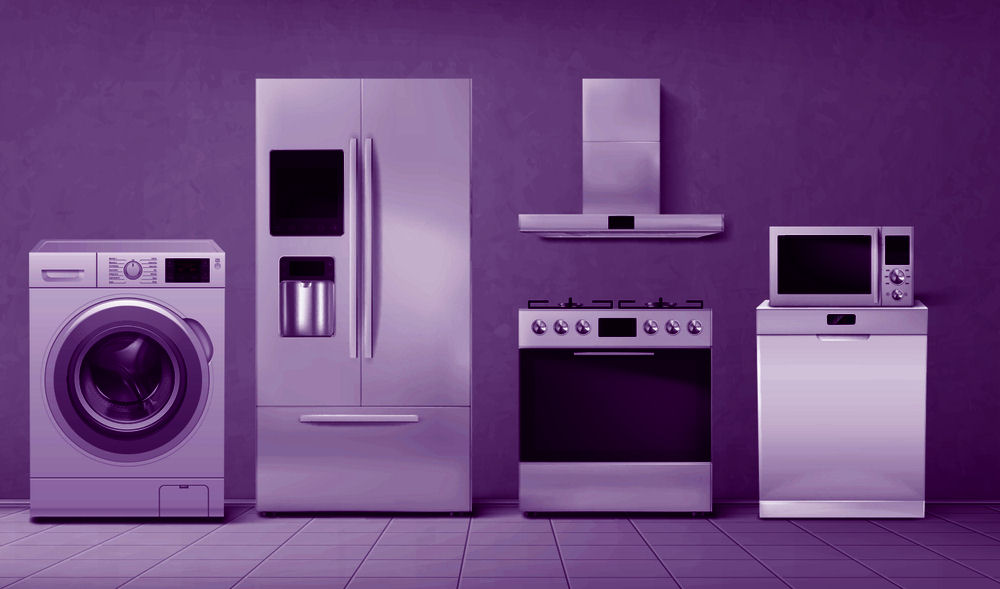
This infographic highlights the three key differences between floor models and shipping damage. It helps buyers distinguish showroom examples from post-shipment issues.
Simple Comparison Table
| Floor Model | Shipping Damage | |
|---|---|---|
| Where you see it | Handles, doors, front panels | Corners, sides, back, base |
| Typical look | Light scuffs and tiny dings | Deep dents, bent frames, cracks |
| Function risk | Usually low if damage is minor | Can be high, may affect structure |
| How you shop it | Inspect in-store, pay less up front | Inspect at delivery, return if serious |

4. Real-World Floor Model Deals: Scratch & Dent Appliance Warehouse
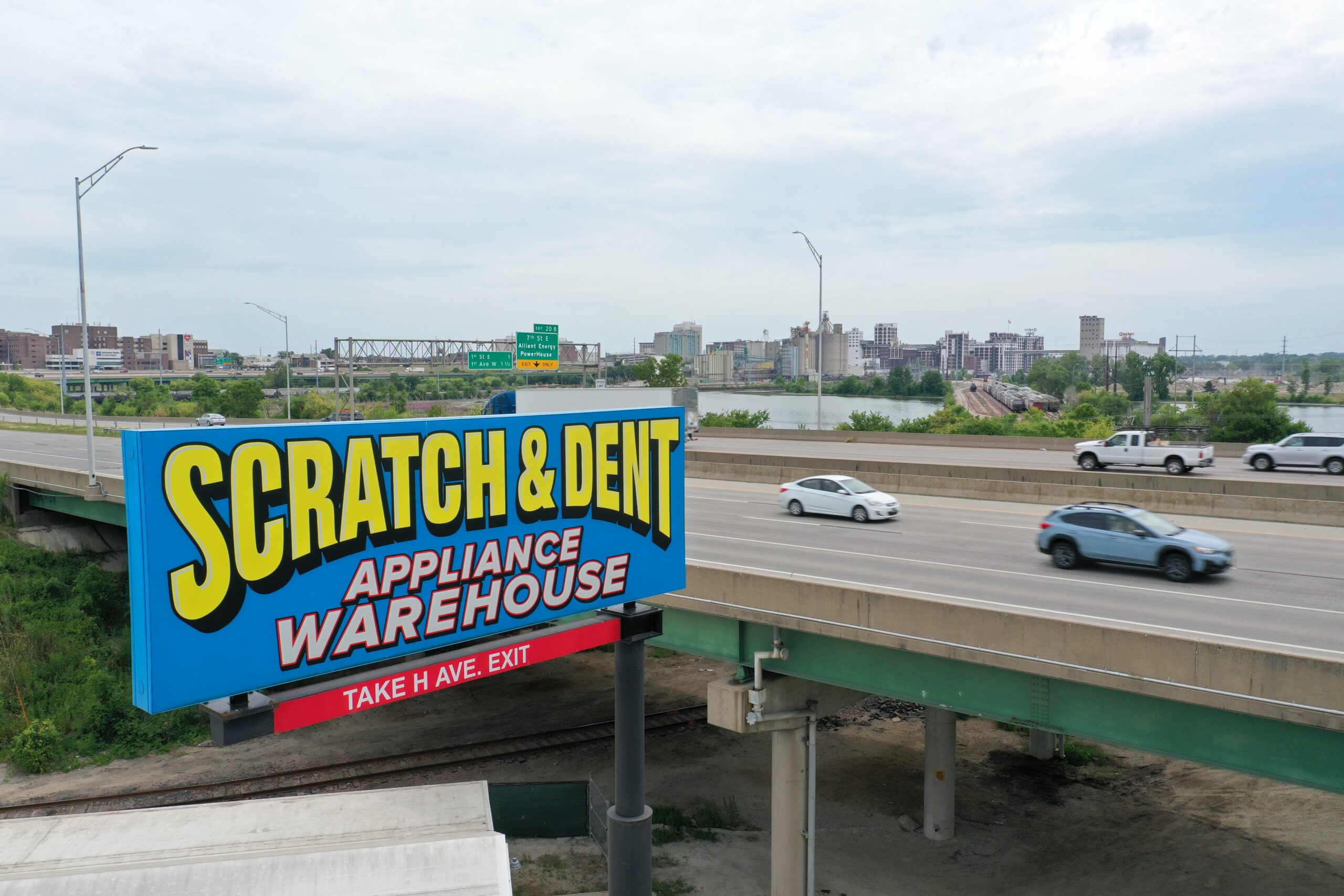
One way to see the difference between floor wear and heavy damage is to look at real scratch and dent inventory from places like Scratch & Dent Appliance Warehouse.
They specialize in selling new appliances with cosmetic issues, often from shipping or showroom use, at frugal prices.
Dishwashers With Cosmetic Flaws
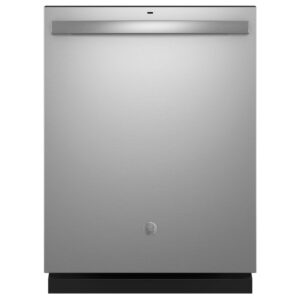
Dishwashers like the GE models in their catalog show typical scratch and dent issues, such as dings in side panels or scuffs along the kick plate.
These areas are often hidden once the unit is installed, so buyers care more about rack condition and noise levels.
Washer And Dryer Sets With Minor Wear
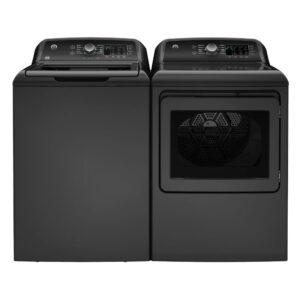
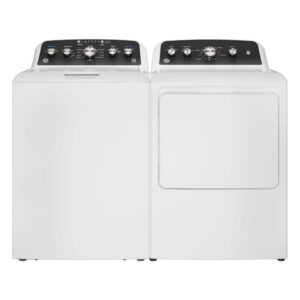
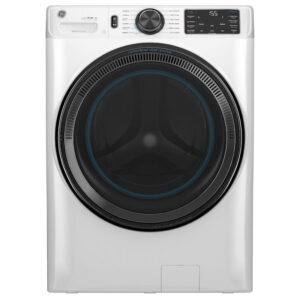
Washer and dryer sets, like the pairs shown in their 2026 listings, often have small top-panel scratches where boxes or tools brushed against them.
If the drum is smooth and the controls work, that kind of flaw is a classic floor-model style issue, not deep shipping damage.
Refrigerators With Side Or Back Dents
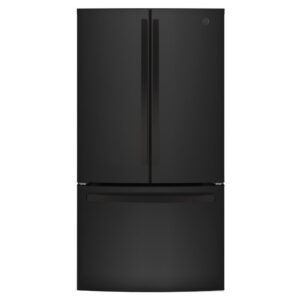
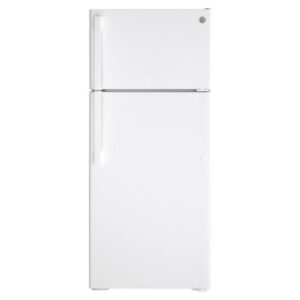
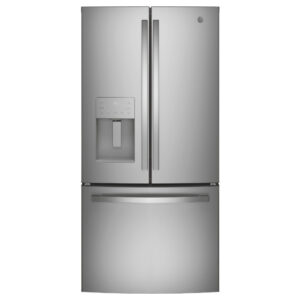
Refrigerators like GE top-freezers and French-door models in their warehouse often have dents in the sides or back where they were bumped in trucks.
Since those sides sit against cabinets or walls, many buyers accept the flaws in exchange for big savings while still checking doors, seals, and temps.
5. How To Inspect A Floor Model So You Do Not Get Stuck
When you shop floor models in 2026, your best tools are your eyes, your hands, and a simple checklist.
We always tell shoppers to slow down and look at more than just the sticker price.
Step 1: Walk The Outside
Start by walking around the whole appliance and looking for dents, deep scratches, or rust spots.
Pay extra attention to corners, base, and back edges, since those can show if the unit was dropped or dragged.
Step 2: Open And Close Everything
Open doors, drawers, and racks several times and listen for rubbing, scraping, or clicking that should not be there.
A healthy floor model should feel smooth and solid, not loose or crooked.
Step 3: Check Controls And Displays
Press every button and turn every knob to be sure nothing sticks or wobbles too much.
If the store can plug the unit in, ask them to power it up so you can see lights, fans, and basic functions.
Quick Floor Model Inspection Checklist
- Look for damage on visible faces and edges.
- Check that doors and drawers line up and seal.
- Inspect racks, shelves, and interior lights.
- Test every knob, handle, and button.
- Ask if this exact unit was ever repaired.

6. How To Inspect For Shipping Damage At Delivery
If you buy a new-in-box appliance, your main inspection time is delivery day, not weeks later.
We see far too many people sign for a damaged item in 2026 because they feel rushed or do not know what to look for.
Before You Sign Anything
Ask the driver if you can open the box and inspect the appliance before you sign.
Most will allow this, especially with high-ticket items like fridges and ranges.
What To Check Right Away
Look closely at all four corners, the top, and the base of the appliance for crushing or bending.
If doors do not open smoothly or the unit rocks on a flat floor, that can signal frame damage from shipping.
If You See Damage
If the damage is more than a tiny cosmetic scratch, tell the driver you refuse delivery and write “refused due to damage” on the paperwork.
Then contact the seller with photos and ask for either a replacement unit or a discount if you are willing to accept cosmetic-only issues.


7. Warranty And Return Differences In 2026
The biggest non-visual difference between floor models and shipping damage is how warranty and returns work.
If you skip this part, cheap can turn into expensive pretty fast.
Floor Models And Warranty
In 2026, many floor models still carry the full manufacturer warranty, but some are sold with a shorter warranty or “as is.”
We always tell shoppers to get the warranty details in writing, not just verbal from a salesperson.
Shipping Damage And Warranty
New-in-box products usually have full factory coverage, and shipping damage is handled as a delivery issue, not a wear issue.
If you report it right away, the seller or shipper typically covers repair, replacement, or refund under their damage policy.
Return Policy Questions To Ask
- Is this floor model sold “as is,” or can I return it?
- If I find hidden damage later, who pays for repair?
- How many days do I have to report shipping damage?
- Are there restocking fees on damaged returns?


8. When A Floor Model Is The Smarter Buy
In 2026, a clean floor model often makes more sense than a sealed-in-box unit that will go through another rough trip on a truck.
If you can inspect it in person and the flaws are only cosmetic, you reduce risk and save money.
Good Times To Choose A Floor Model
- You live in a building with tricky deliveries, like tight stairwells or elevators.
- You care more about performance than a perfect side wall that no one will see.
- The discount is big enough to cover any future minor repairs.
Good Times To Avoid A Floor Model
If an appliance has been on the floor for a very long time or used for demos with heavy use, the wear might be more than cosmetic.
Also, if there is no warranty at all and the discount is small, we usually say to pass and look for a better deal in our directory.
9. When Shipping Damage Might Still Be Worth It
Not all shipping damage means you must send the appliance back, especially if it is clearly cosmetic and in a hidden area.
Sometimes stores will offer a partial refund to keep a slightly damaged unit, which can turn a headache into a bargain.
Examples Of Acceptable Shipping Damage
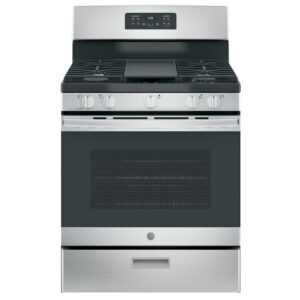
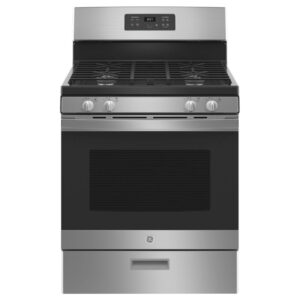
A dent in the back of a fridge that does not affect coils, or a small dent low on the side that will be against a cabinet, may not matter in daily use.
If the seller confirms the warranty is still valid, that kind of damage can be treated like a floor-model scratch.
When Shipping Damage Is A Red Flag
- Doors do not seal or line up correctly.
- The frame or legs are visibly bent.
- There are cracks in glass cooktops or control panels.
- You hear loose parts moving inside when you tilt the unit.


10. How To Find Reliable Floor Models And Scratch & Dent Deals Near You
Our whole mission is to help you find local stores in 2026 that are honest about damage and clear about pricing.
Floor models and scratch and dent appliances can save you hundreds, as long as you buy from dealers who do not hide the dents.
Use State Directories To Shop Smart
We list scratch and dent outlets across the country, from Alabama scratch and dent stores up to Alaska scratch and dent stores.
These state pages make it easier to call ahead, ask about floor models in stock, and plan a same-day inspection.
Explore Other Trusted Resources
Sites like Scratch & Dent Stores and Scratch & Dent Near Me also help you discover regional warehouses and discount outlets.
We see more shoppers in 2026 using these tools instead of buying blind online, because the savings are bigger and the risk is easier to manage.

Conclusion
In 2026, the smartest appliance shoppers are not the ones who avoid damage at all costs, they are the ones who understand the difference between safe cosmetic flaws and risky structural damage.
When you know how to tell a normal floor-model scratch from true shipping damage, you can use those “imperfections” to your advantage and let the dents work for your wallet instead of against it.