
Find Scratch and Dent Appliances With Warranty Coverage
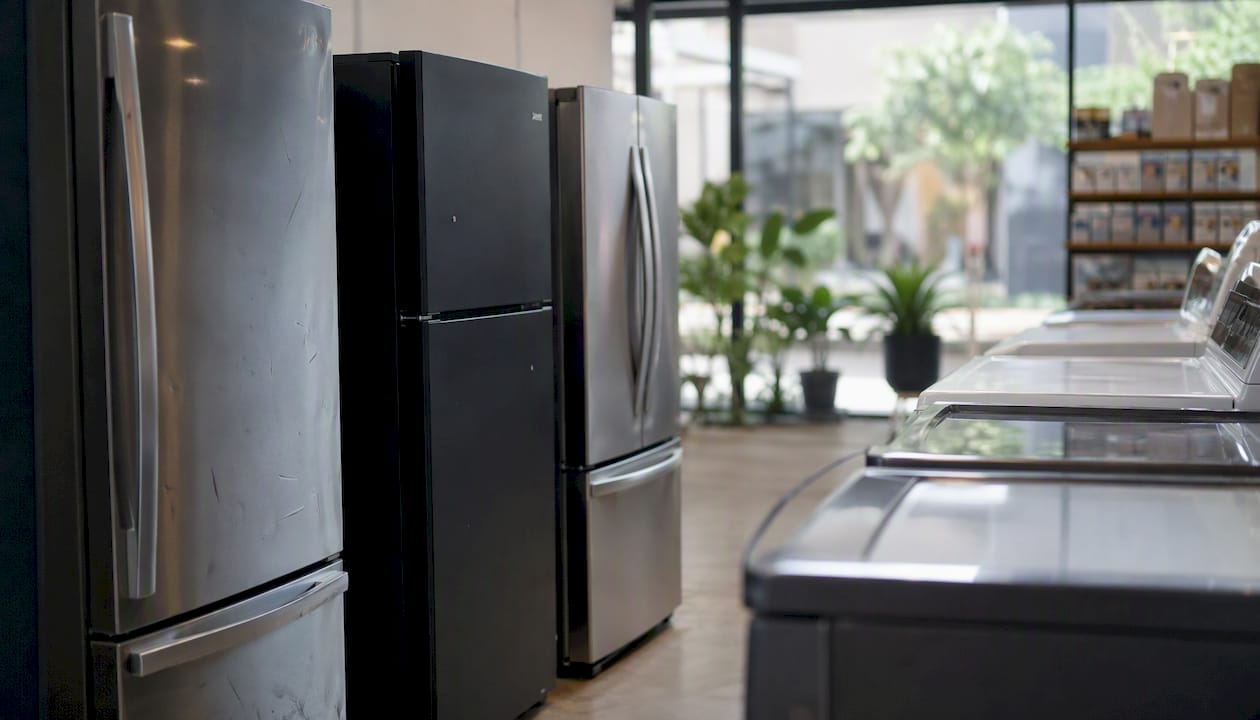
The fastest way to find scratch and dent appliances with real warranty protection is to search an organized directory like Scratchanddentstores or call your nearest scratch and dent outlet directly and ask what's on the floor today. Inventory at these places turns over constantly, and a lot of it sells first-come, first-served, so the unit you want on Tuesday might be gone by Thursday.
Before you drive anywhere, look for three things: a factory-authorized or store warranty in writing, confirmation that the unit was tested on-site before sale, and a clear return window. Outlets that skip any of these three aren't necessarily scams, but they're asking you to take on more risk than you need to for a discount you can often get elsewhere with warranty coverage attached.
Key Takeaways
The fastest, lowest-risk way to buy a scratch and dent appliance is to verify warranty and testing status before you pay, not after it's sitting in your kitchen.
| Point | Details |
|---|---|
| Start with a directory or a call | Search an organized directory or call local outlets directly, since inventory sells first-come, first-served. |
| Confirm warranty in writing | Ask whether coverage is factory, store, or none at all, and get the exact term in writing. |
| Test before you accept delivery | Run a functional test cycle and check the model and serial number before signing off. |
| Document everything | Photograph damage, save receipts, and keep warranty paperwork in one place from day one. |
| Ask about the return window | Confirm the exact return period and whether delivery fees are refundable if you send it back. |
Table of Contents
- Where to Find Scratch and Dent Appliances Near You
- How Do You Pick a Reputable Scratch and Dent Seller?
- What Discounts and Warranty Options Should You Expect?
- How Do You Inspect a Scratch and Dent Appliance Before Buying?
- What Should You Know About Delivery, Installation, and Returns?
- How Do You Find Scratch and Dent Deals at Major Retailers and Online?
- How Does the Scratchanddentstores.com Directory Simplify Your Search?
- What Are the Return Rules for Scratch and Dent Appliances?
- Why the Real Savings Come From Asking Better Questions, Not Finding the Lowest Price
- Frequently Asked Questions
- Sources
Where to Find Scratch and Dent Appliances Near You
Four types of sellers carry this inventory, and each one plays a different role depending on how much time you have and how much risk you're willing to accept.
Local scratch and dent showrooms and outlets are your best bet if you want to see, touch, and test the appliance before paying. These are dedicated storefronts, sometimes independent, sometimes tied to a regional chain, that buy up cosmetically damaged or open-box units and resell them at a markdown. Discounts here run wide, and one Houston-area retailer advertises inventory discounts up to 70% off retail on major brands.
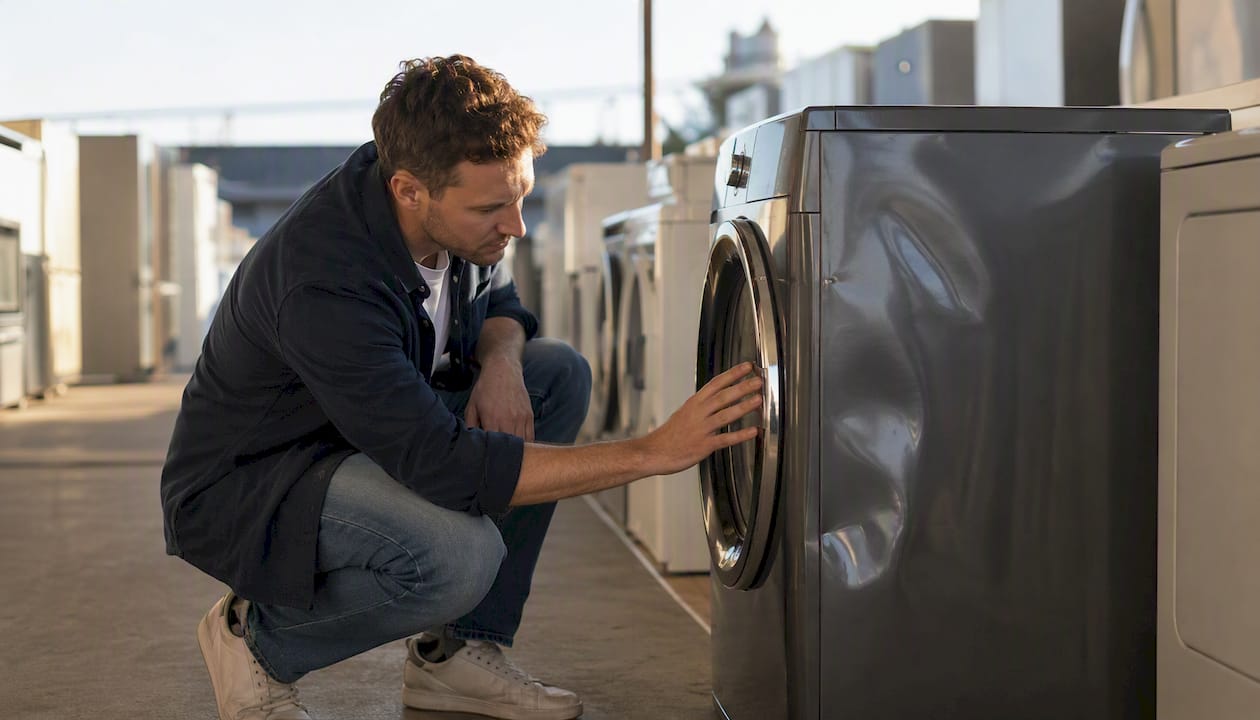
Factory-authorized liquidation depots sit one step closer to the manufacturer. These outlets buy pallets of returned, damaged-in-transit, or discontinued units directly from brands or distributors. Mazer is a well-known example of this model, and its business record is verifiable through its BBB profile, which confirms it operates as a registered appliance dealer rather than an anonymous reseller. Prices tend to run lower here than at retail-adjacent outlets, but selection is less predictable since it depends on what the factory shipped that week.
Big-box retailer clearance and open-box sections are the low-effort option. Stores like Home Depot and Lowe's mark down floor models, customer returns, and appliances with shipping damage right on their own sites and in-store. You lose some of the deep-discount upside you'd find at a dedicated outlet, but you gain the retailer's standard return policy and, often, the full factory warranty.
Online marketplaces and auction-style listings round out the list. These can turn up genuine bargains, but you're buying mostly on trust and photos, so this category carries the most risk of the four.
A practical way to start your search:
- Search a state-by-state directory like Scratchanddentstores for outlets near you.
- Call two or three local showrooms and ask what's currently in stock.
- Check retailer open-box or clearance pages for your specific appliance category.
- Look at Google listings or maps for liquidation depots and confirm their hours before driving over.
Names like Bargain Supply Company and Recker & Boerger Home Appliance show up in this space too, as regional examples of the outlet and clearance-center model. Treat any specific business name as a starting example, not a recommendation to buy sight-unseen.
How Do You Pick a Reputable Scratch and Dent Seller?
Not every outlet operates the same way, and the gap between a good one and a risky one usually comes down to what they'll put in writing. Run through this checklist before you commit to a purchase:
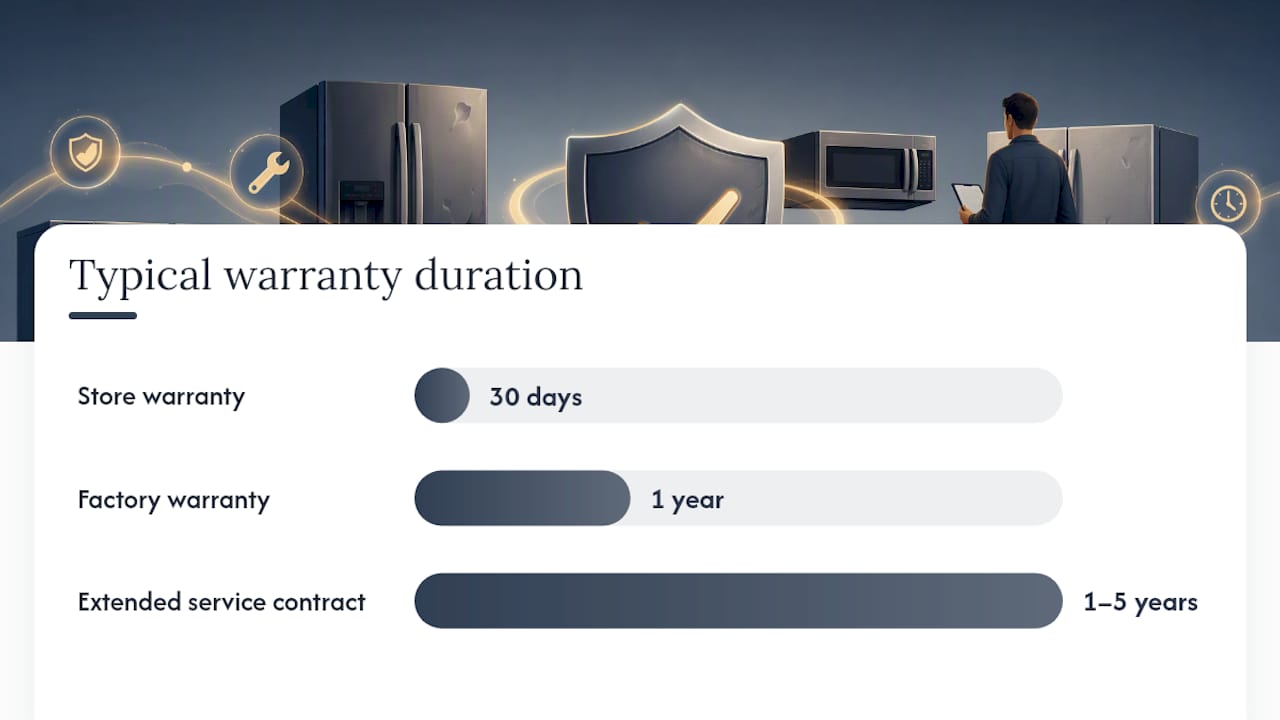
- Warranty type. Ask whether the appliance carries the original factory warranty, a store-issued warranty, or nothing at all. Some sellers offer a short warranty window, such as a 30-day store warranty, in addition to extended plans you can purchase separately.
- On-site testing. Confirm the unit was plugged in and run through a test cycle before it went on the floor. Several regional outlets advertise full testing by a technician as a standard step, and you should treat that as the baseline, not a bonus.
- Return window. Ask for the exact number of days you have to return or exchange the item, and whether that window is shorter for scratch and dent stock than for new retail units.
- Delivery and installation. Find out what delivery costs, whether installation and old-unit haul-away are included, and how quickly they can get it to you.
- Financing and payment methods. Ask what payment options they accept and whether they offer any in-house financing or lease-to-own plans.
- Reputation. Check for a Better Business Bureau listing and read recent customer reviews, paying attention to how the seller handles complaints, not just the star rating.
Before you hang up the phone, ask these questions directly: Is this new-in-box with cosmetic damage, or was it previously used and returned? Can you read me the model and serial number so I can verify it? What exactly does the warranty cover, and for how long? What's the total delivery fee, and is haul-away included? Was this unit damaged in transit, or does the damage predate shipping?
Watch for these red flags:
- No written warranty of any kind, or a seller who says "as-is" without offering to test it in front of you.
- A return policy the seller can't state clearly or won't put on paper.
- Pressure to buy sight-unseen or to wire payment before you've seen photos or a serial number.
- Inability or refusal to give you the model and serial number over the phone.
A seller who checks out on warranty, testing, return policy, and reputation is worth your business. One who dodges two or more of these questions probably isn't.
What Discounts and Warranty Options Should You Expect?
Discount ranges vary a lot depending on the type of damage and how motivated the seller is to move inventory. Big Sandy Superstore, a regional retailer, notes that scratch and dent savings often start around 15% for units with light cosmetic imperfections, while Discount Appliance Center in Tampa advertises savings up to 50% on open-box and scratch and dent stock. At the aggressive end, Mo's Discounted Appliances lists discounts up to 70% off retail on certain major-brand units. Where you land in that range usually depends on how visible the damage is, how long the unit has been sitting, and how badly the outlet wants to clear floor space.
Warranty coverage splits into a few categories, and knowing the difference protects you from assuming you have coverage you don't:
| Warranty type | What it typically covers | How long it usually lasts |
|---|---|---|
| Factory warranty | Manufacturer defects in parts and labor, same as new retail | Standard term, often 1 year, if the unit wasn't previously registered or used |
| Store warranty | Seller-backed coverage on function, sometimes excluding cosmetic issues | Often 30 days, occasionally longer |
| Extended service contract | Repairs and parts beyond the base warranty period | 1 to 5 years, purchased separately |
| No warranty ("as-is") | Nothing, buyer assumes all repair risk | None |
Cosmetic damage, like a scuff on a side panel or a small dent on a door that faces the wall, rarely affects how the appliance runs. Functional damage, such as a bent compressor line or a cracked control board, is a different story and should come with a bigger discount and a much closer inspection. Pricing also shifts based on brand, appliance size, how severe the cosmetic issue is, whether original accessories and manuals are included, and whether the box and packaging are intact.
How Do You Inspect a Scratch and Dent Appliance Before Buying?
Bring this checklist with you to the showroom, or run through it the moment the delivery crew sets the unit down:
- Walk around the entire unit and photograph every scratch, dent, or scuff you find, front and back, top and bottom.
- Find and photograph the model and serial number sticker, then check it against the sales receipt to confirm they match.
- Plug it in and run a functional test. For a refrigerator, set it to run for 20 to 30 minutes and check that the interior temperature drops toward 37°F in the fridge and 0°F in the freezer. For a washer, run a short wash cycle and watch the spin and drain. For an oven, set it to 350°F and confirm it reaches temperature within a reasonable window. For a dishwasher, run a full cycle and check for leaks underneath.
- Test every burner, element, or heating zone on a range individually rather than assuming one working burner means they all work.
- Open and close every door and drawer and check for even gaps. Uneven spacing can be a sign of internal frame damage that a simple scratch wouldn't cause.
- Check for included accessories like ice trays, oven racks, water filters, or door bins, since missing parts sometimes get overlooked in a rushed inspection.
- Keep every document, including the sales receipt, warranty paperwork, and your damage photos, in one folder in case you need to file a claim later.
Pro Tip: Run the spin cycle on a washer with the door open (if the model allows it) and listen closely. A grinding or knocking sound during an empty spin often points to a bearing or drum issue that a quick glance would never catch, and it's one of the most common hidden defects technicians check for.
What Should You Know About Delivery, Installation, and Returns?
Delivery options usually break down into a few tiers, and the one you choose affects both your upfront cost and how easily you can return the unit if something's wrong.
- Curbside delivery is the cheapest option, sometimes free or under $50, but it leaves setup and old-unit removal to you.
- White-glove delivery with installation typically runs somewhere between $75 and $150 depending on the appliance and your location, and usually includes hookup for washers, dryers, and dishwashers.
- Old-unit haul-away is often bundled with installation but sometimes carries its own fee, so ask specifically.
- In-store pickup costs nothing extra but means you're loading and transporting a heavy appliance yourself.
Return policies on scratch and dent units tend to be tighter than what you'd get buying new. Many outlets, like the Appliance Outlet Center in Laurel, Maryland, sell items as one-of-a-kind and first-come, first-served, which often comes paired with a shorter return window and sometimes a restocking fee if you change your mind after delivery. Ask about the exact return window and whether it's shorter than the retailer's standard policy for new appliances.
Extended service contracts make the most sense when the factory warranty is short or nonexistent, or when you're buying a higher-cost appliance where a single repair could run several hundred dollars. Plans typically run from 1 to 5 years, and the math usually favors buying one when the unit's warranty coverage is otherwise thin.
Pro Tip: If you can inspect the unit in person at the showroom, do it, even if home delivery costs less. Once an appliance is off the truck and hooked up, some outlets treat that as your acceptance of its condition, which makes a return far harder to negotiate than catching an issue on the showroom floor.
How Do You Find Scratch and Dent Deals at Major Retailers and Online?
If you're wondering how to find Home Depot scratch and dent appliances, start with their site's clearance or outlet filter under the appliance category, then call your local store directly, since a lot of open-box and damaged-in-transit inventory never makes it online. The same logic applies if you're asking whether Lowe's still carries scratch and dent stock: check their clearance section online, then follow up with a phone call to ask what's sitting in the back of the appliance department.
- Filter by clearance or outlet on the retailer's website before assuming they don't carry discounted stock, since these sections are often buried a few clicks deep.
- Call the store directly and ask specifically about scratch and dent, open-box, or customer-return inventory that hasn't been listed online yet.
- Check back daily or set an alert if the retailer offers one, since floor models and returns get pulled fast once they're posted.
- On marketplaces, ask the seller for recent, unedited photos and confirm the model and serial number before you agree to buy.
- Verify what protection you have if the marketplace offers any buyer protection or dispute process, since most peer-to-peer sales carry no warranty at all.
A few precautions apply specifically to marketplace purchases: there's usually no written warranty, buyer protection is often limited or nonexistent, and picking the unit up yourself carries less risk than paying for shipping on something as heavy and fragile as a major appliance.
How Does the Scratchanddentstores.com Directory Simplify Your Search?
- Start by selecting the appliance category you need, whether that's refrigerators, washers and dryers, or dishwashers.
- Filter by your state to pull up local outlets, similar to how the Alabama listings page organizes stores by region.
- Read each listing for notes on warranty availability and whether the outlet performs on-site testing before sale.
- Call the outlet directly to confirm current stock, since directory listings reflect typical inventory rather than a live, minute-by-minute count.
What makes this approach different from cold-calling outlets is the state-by-state coverage paired with editorial buying guides, including a detailed inspection walkthrough you can bring with you to a showroom. Scratchanddentstores.com earns revenue through affiliate referrals when you click through to a listed outlet, so always confirm warranty terms and return policy directly with the seller before you pay, since listings are a starting point for your search, not a substitute for asking the seller yourself.
What Are the Return Rules for Scratch and Dent Appliances?
Return policies on scratch and dent appliances are almost always tighter than what you'd get on a brand-new retail purchase, and the reasons come down to how these outlets price and move inventory. Because many units are sold as one-of-a-kind, a return doesn't mean the seller restocks the shelf. It means they're stuck trying to resell the exact same damaged unit a second time, which is why some outlets shorten the return window or add a restocking fee to discourage returns on marked-down stock.
Expect return windows anywhere from a few days to 30 days, compared to 30 to 90 days that's common on new retail appliances. Some sellers only accept returns if the appliance hasn't been installed or used, which matters if you're planning to test a washer or dryer at home rather than at the showroom. Ask upfront whether delivery and installation fees are refundable if you return the unit, since many sellers keep those fees regardless of the outcome.
Condition requirements typically mean the appliance has to come back in the same state it left in, aside from the pre-existing cosmetic damage you already knew about. If a technician installed it and something goes wrong during that install, that's usually treated as a warranty issue rather than a straightforward return. Keep your receipt, warranty paperwork, and delivery confirmation together from day one, since you'll need all three if you ever need to make a claim.
Why the Real Savings Come From Asking Better Questions, Not Finding the Lowest Price
Most advice on buying scratch and dent appliances treats it like a bargain hunt, find the outlet with the biggest discount sticker and go. That framing misses the actual risk. The sellers worth your time aren't necessarily the cheapest ones. They're the ones willing to test the unit in front of you and put a warranty in writing without you having to ask twice.
The conventional advice to "just check for scratches and dents" undersells the real inspection work. Cosmetic damage is the easy part to spot and, frankly, the part that matters least. What actually protects your money is verifying the serial number, running a real functional test, and reading the return policy before you swipe your card, not after the delivery truck pulls away.
If there's one thing budget-conscious shoppers should prioritize first, it's the phone call before the drive. A five-minute conversation about warranty terms, testing, and return windows tells you more about whether a seller is trustworthy than any amount of browsing photos online ever will.
Frequently Asked Questions
How much can you typically save buying scratch and dent appliances? Discounts commonly range from around 15% for units with light cosmetic marks up to 70% for heavily discounted inventory at certain outlets, depending on the seller and the severity of the damage.
Do scratch and dent appliances come with a warranty? Many do. Some carry the remaining factory warranty, others offer a store-issued warranty (often around 30 days), and many sellers offer extended service contracts you can purchase separately. Always confirm the exact type and length before buying.
Is a scratch and dent appliance the same as a refurbished one? No. Scratch and dent units are typically new appliances with cosmetic damage from shipping or handling, while refurbished units have usually been previously used, repaired, and resold, often at a different price point and warranty structure.
Where can you find scratch and dent appliance outlets near you? Search a state-by-state directory, check local classifieds, call regional outlets directly, or look at big-box retailer clearance and open-box sections online and in-store.
What should you inspect before buying a scratch and dent appliance? Check the model and serial number, run a functional test cycle appropriate to the appliance, inspect door and drawer alignment, and confirm all included accessories are present before you finalize the purchase.
Sources
- Scratch & Dent Appliances Houston, Katy, Stafford & Conroe TX | Mo's Discounted Appliances
- Direct Discount Appliances | Scratch & Dent Deals Glendale
- Scratch and Dent Appliances | Big Sandy Superstore
- Appliance Outlet Center, Laurel MD | Scratch/Dent, Open Box
- Home - Discount Appliance Center - New Open Box Appliances - New Scratch and Dent Appliances - Home Appliances - Tampa
- Mazer Appliance Inc. — BBB Business Profile